Fundamentals of food
Nutrition is not one size fits all. In fact, everyone has unique biological functions that metabolise food and burn calories differently. Each person also has different preferences, needs, goals, income/budget, living environment, and seasonal climates.
So why do so many people advertise a universal approach? Because it's easy.
Giving everyone chicken, rice, and broccoli to meal prep days on end is not going to work and meet the needs of individuals. Yes, individuals might lose or gain weight due to caloric intake and goals but they aren't going to enjoy what they eat and could be neglecting their specific nutritional requirements without knowing it.
So, let’s talk about the fundamentals of nutrition and try to not overcomplicate this whole food thing. As a disclaimer it's always important when you read content online (even this) that is not always specific to you. As an example, I might say that eating a high-carb breakfast is great for pre-training fuel, but you may be insulin resistant. Or that some vitamin supplements are not necessary if you eat enough vegetables, but you may have a nutrient deficiency from medications and health conditions, so that advice is not for you. Although I like to think I know a thing or two about nutrition, quite frankly, I’m not a doctor or a clinical dietician.
Starting simple for any beginners out there, the basis of food is split into three Macronutrients. Protein, Carbohydrates, and Fat.
Protein is a buzzword when it comes to food packaging and the fitness world in general. When you eat food high in protein, enzymes break down the source into amino acids which are then used to maintain and build new muscle fibres. Protein is also great for your body's organs and bones and will help keep you feeling full and sustained. Protein is high in foods like meat, fish, eggs, dairy products, soy products, and some beans/ legumes. * shown in the image below
Carbs…these always get a lot of bad rap. But if you're training, carbohydrates are almost essential for energy and recovery ( We'll talk about Keto another time…). Carbohydrates come in the form of sugars, starches, and fibre, also called complex and simple carbohydrates. All Carbs have a Glycaemic Index (GI) which essentially shows how quickly they cause increases in blood glucose levels; High GI is typically ‘simple’ while Low GI is typically ‘complex’. The everyday person should focus on getting carbohydrate sources that are Low GI for longer, steady releasing energy such as starchy vegetables, legumes, and whole-grain bread, grains, and cereals. Low GI foods typically keep insulin levels lower and don’t cause a big spike. This would be especially important to someone that is insulin resistant as they abnormally respond to the hormone insulin (hypersensitive to it) resulting in a build-up of glucose in their blood. However athletes, typically endurance types, might need a high GI source that will give them instant energy such as sugary drinks, sports gels, and higher sugar foods during exercise to use immediately.
Moving on to dietary Fat. Over the years fat has come in and out of ‘fashion’. 99% fat-free, low-fat products had been the latest ‘fad’. It was believed because fat was higher in energy, having 9 calories/ gram, compared to 4 calories/gram in protein and carbs, removing it from food products and therefore consuming less of it would result in weight/ fat loss. We now know from research and food science that this is not the case. Fat is super important for cell growth, hormone levels, and absorbing fat-soluble vitamins ( A, D, E & K). Different types of fat are often labeled ‘good’ and ‘bad’. While I'm a believer that all food is good, some just in moderation; both trans-fat and saturated fat can be harmful to your LDL cholesterol levels which can put you at risk of heart disease, stroke, and other medical risks. These types of fat are found in highly processed foods, animal fats, butter, coconut oil, and more. While unsaturated fat, including monounsaturated and polyunsaturated, are better options for healthy fat choices to have in your diet which include foods like, avocado, olive oil, nuts, and seeds.
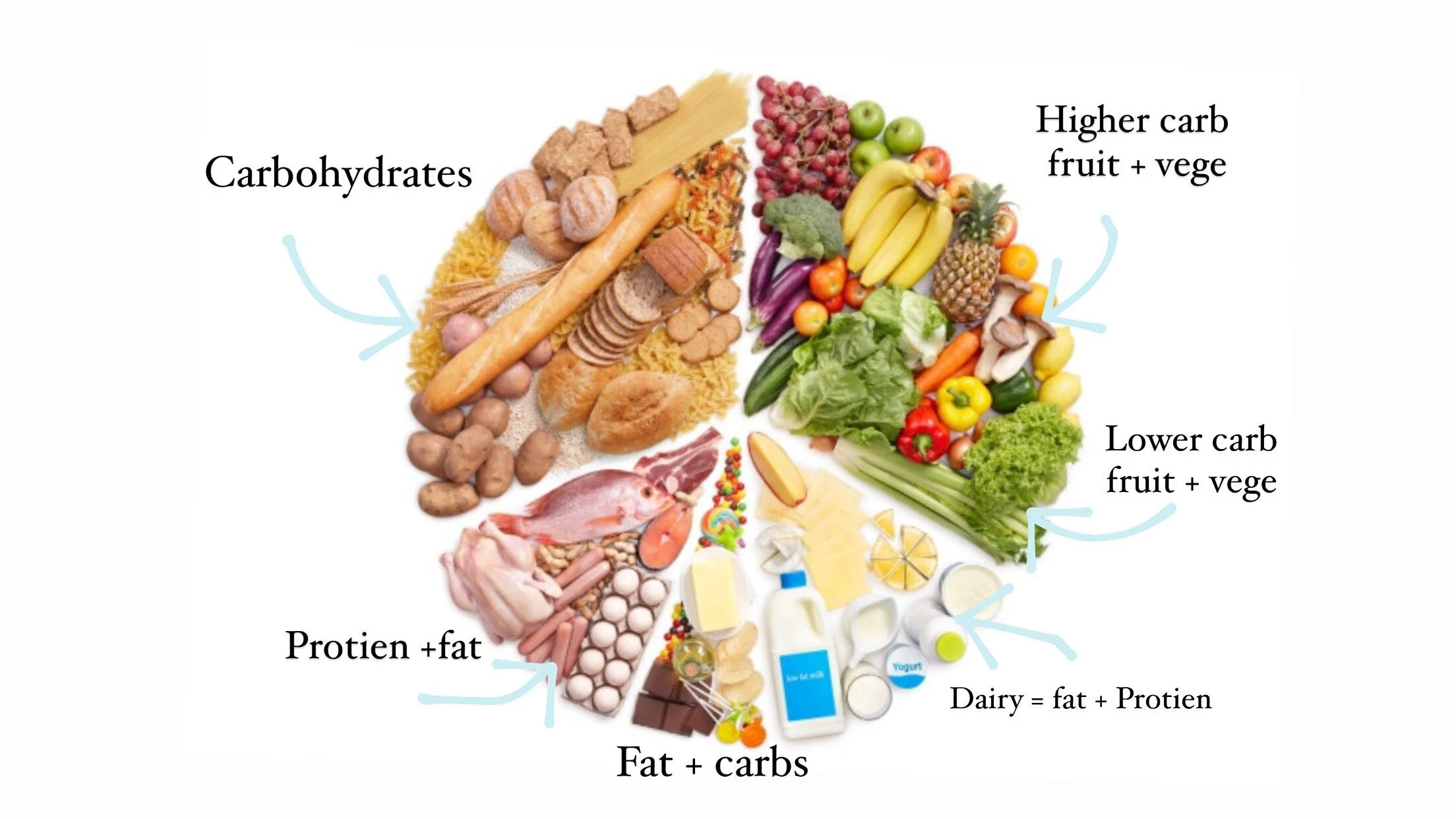
* This shows how different foods can come under multiple macronutrient groups.
Helping put foods into perspective.
I could go on for days about nutrition and food and I have plenty more posts to come breaking down nutrition (but I’ll keep it brief, to begin with). There are multitudes of information out there, so no wonder it’s becoming increasingly hard to know what to believe. Next time you do read information think, is it too good to be true? Have I heard this before? Or is there actually ANY research to back up their claims? If more than two of these are the case, it’s probably fake news.
Until next time,
Nadia.